The competitive landscape
Five forces at a glance
Higher scores mean stronger competitive pressure.
An independent case study researched in October 2026. No government project profile was used. Each figure is linked to a source listed below. Profit estimates are based on the stated assumptions and do not guarantee future returns.
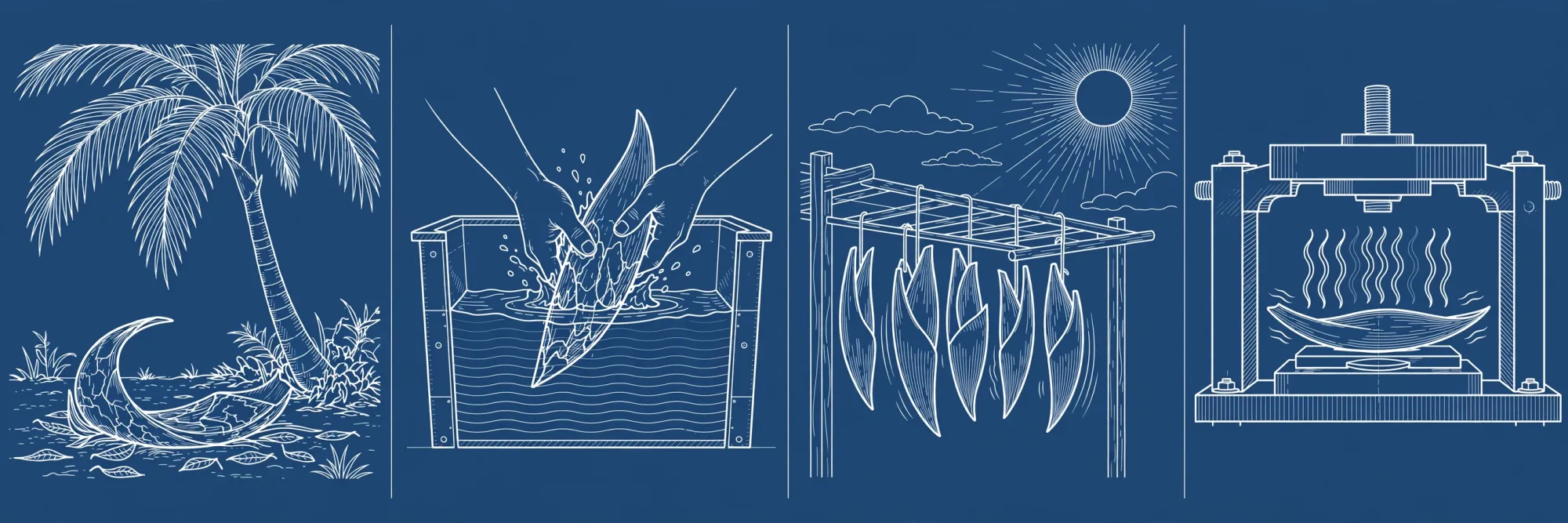
An areca leaf plate unit can provide an income, but its margins depend on location, labor costs, and selling price. One machine pressing 1,800 plates a day inside the Karnataka or Tamil Nadu areca belt can clear close to Rs 89,000 a month, but only if you sell finish and brand at Rs 7 a plate instead of dumping commodity plates at Rs 5. Run the same unit outside the belt, or on hired labor at wholesale prices, and the math collapses to near zero. The reason is simple: the fallen leaf sheath, your single biggest cost, already eats two-thirds of a wholesale selling price. [1][8][12]
Startup costs
This is a one-machine unit near the producing belt, pressing 10-inch plates. Machine prices below are asking prices on B2B portals, checked October 2026. IndiaMART listings quote ex-tax, so 18% GST is added. [4]
| Item | Cost (Rs) | Basis |
|---|---|---|
| 5-die hydraulic press, 1,800-2,000 plates per 8-hour shift (Rs 2,00,000 ex-GST + 18% GST) | 2,36,000 | Seller listing [3][4] |
| Extra die sets | 20,000 | How-to guide estimate [7] |
| Washing, drying and prep (soaking tanks, drying racks, trimming table) | 40,000 | How-to guide estimate [7] |
| Shed and electrical work | 45,000 | How-to guide estimate [7] |
| Registrations and licences | 10,000 | How-to guide estimate [7] |
| Working capital (one month of operating costs plus buffer) | 2,90,000 | Derived from the model below |
| Cash to open | 6,41,000 |
Call it Rs 6.4 lakh to open the doors. Single-die machines list from Rs 95,000 to Rs 1,10,000 ex-GST [1][2], but halving your output makes the economics below worse, not better.
Raw-material costs and break-even pricing
The machine is a one-time Rs 2.36 lakh. A major factor in profitability is the sheath: a dry areca leaf sheath quoted at Rs 2.80 a piece near Bengaluru, ranging Rs 1.45 to Rs 4.50 across belts. [8][9] One good sheath makes one plate, and the trade talks of 10 to 20 percent of sheaths never becoming sellable plates (cracks, scorch marks, fungus spots), so each good plate really costs you Rs 3.29 in leaf. [8]
Per-plate cost, 10-inch plate, one-machine unit:
| Cost | Rs per plate |
|---|---|
| Sheath (Rs 2.80 / 85% yield) | 3.29 |
| Labor (3 workers at the Karnataka floor wage) | 1.29 |
| Packaging | 0.15 |
| Power | 0.11 |
| Repairs and misc | 0.18 |
| Total | 5.02 |
Wholesale buyers pay Rs 4.20 to Rs 5.50 for that plate near the belt. [12] Your break-even sits at Rs 5.02. At a Rs 5 selling price you need everything to go right just to stand still. And when the sheath price moves from Rs 2.80 to Rs 3.50 in the rainy-season squeeze, your cost jumps Rs 0.82 a plate and the margin is gone before you open the ledger. [8][11]
Three monthly operating scenarios
Shared assumptions for all three: the Rs 6.4 lakh setup above; sheath at Rs 2.80 with 15% wastage; power Rs 200 a day; packaging Rs 0.15 a plate; figures are estimates. [1][3][8][25][26]
Family-operated scenario: an existing shed and family labor. You press 1,200 plates a day, 22 days a month, in your own shed with two family members. You sell 26,400 plates to local wholesalers at Rs 4.50.
Revenue: Rs 1,18,800. Costs: sheaths Rs 86,965, power Rs 4,400, packaging Rs 3,960, misc Rs 5,000. Net: Rs 18,475 a month. It pays like a second income because it is one. No wages leave the house.
Wholesale scenario: one machine and hired workers. You press 1,800 plates a day, 25 days a month: 45,000 plates. You sell at Rs 5.00 and pay three workers the Karnataka minimum-wage floor of Rs 19,300 a month each. [24]
Revenue: Rs 2,25,000. Costs: sheaths Rs 1,48,235, wages Rs 57,900, power Rs 5,000, packaging Rs 6,750, misc Rs 8,000. Net: minus Rs 885 a month. At commodity wholesale prices with hired labor, this business is a job you bought for Rs 6.4 lakh. Small units in the belt commonly pay below the statutory floor. That quiet non-compliance is the only reason the belt has any units at all. [24]
Premium-product scenario: grading, finishing, and branding. Same 45,000 plates, same hired crew, but you finish, grade and brand properly and sell into metro buyers at Rs 7.00 a plate. Designer-finish 10-inch plates list at Rs 7 to Rs 9.50 wholesale. [12]
Revenue: Rs 3,15,000. Costs: Rs 2,25,885 (same as above). Net: Rs 89,115 a month. The entire profit lives in the Rs 2 price gap between a commodity plate and a finished one. First-quality grading alone moves price 30 to 40 percent. [13]
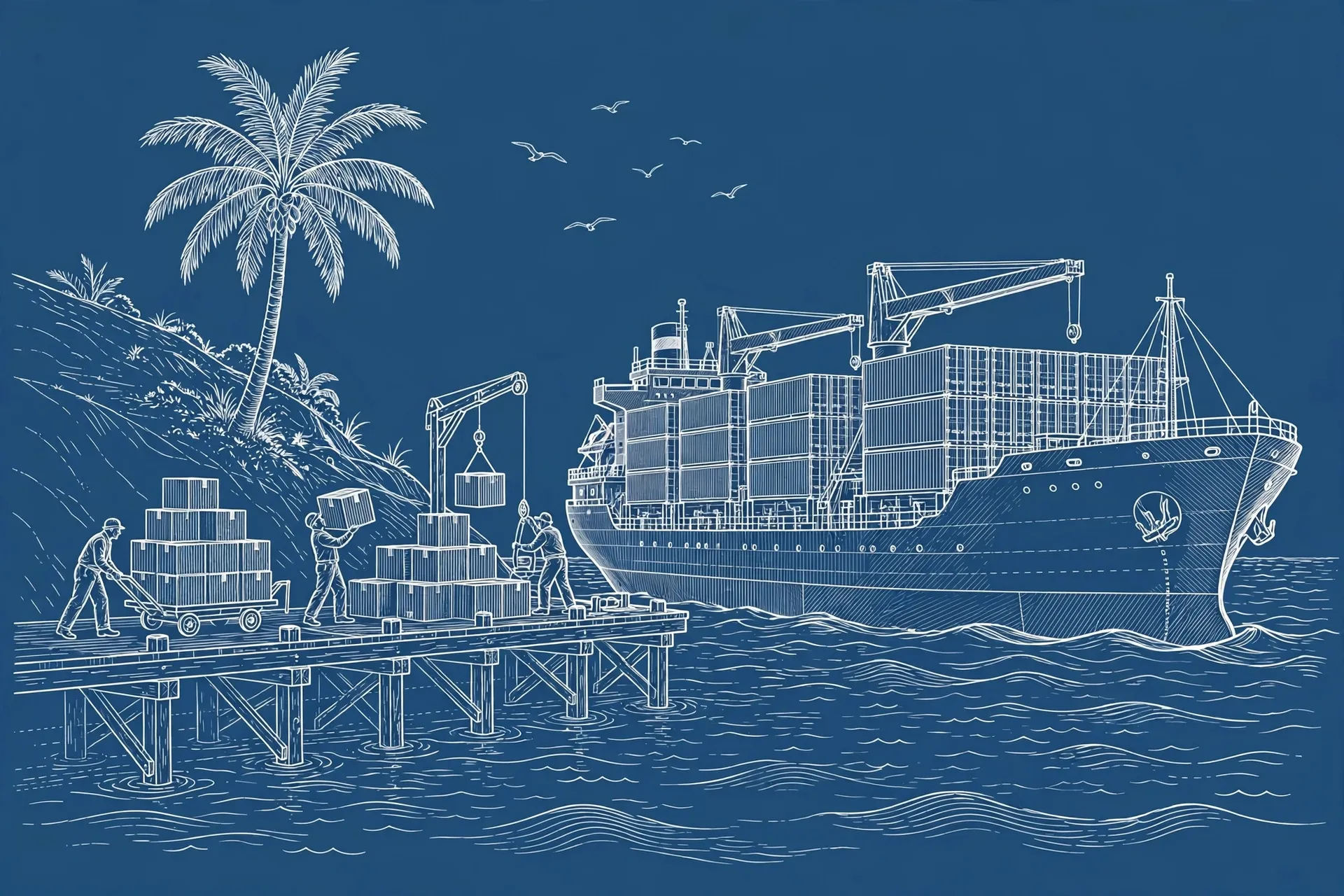
A note on exports, since the gap tempts everyone: a 10-inch plate that wholesales at Rs 4 to 5.50 in India ships FOB at USD 0.10 to 0.20, roughly Rs 10 to 19. [16] That gap pays for export packing, freight, agent margins, and the plates your foreign buyer rejects. It is real money, but only after you clear certifications and the mold problem described below.
Customers, demand, and selling prices
The world market for areca plates sits somewhere between USD 0.9 and 1.3 billion in 2025 (two reports from the same publisher disagree on the base, so take the range, not a point), growing about 5% a year toward roughly USD 2.1 billion by 2035. [18][19] India is the fastest-growing tableware market in Asia-Pacific at about 9.2% a year. [22]
Demand comes in four buckets. Food service and caterers buy the steadiest volumes. Weddings and events buy in spikes through the wedding and festival season; trade listings name parties, events and weddings as core applications. [23] Institutions are shifting: a compostable-tableware maker supplied the MahaKumbh Mela in January 2025, which shows mass-gathering procurement is moving this way. [21] Exports go mostly to the USA, where 25-packs retail around a dollar a plate, with Germany and the UK behind but demanding compostability certification. [17][35] At home, retail tells the same premium story: a 50-pack of 10-inch plates sells for Rs 909 on Amazon, Rs 18.18 a plate. [15]
Three things work against you. The sheath only falls about six months a year in the Kerala belt, so you stockpile for the rest and need real storage, and prices peak in the rainy months. [10][11] Then the plastic ban that is not quite a ban: 19 single-use plastic items have been outlawed since July 2022, but a 2025 field study found banned items still on sale at 84% of 560 surveyed spots, so the informal street-food economy keeps buying cheap plastic and caps what price-sensitive buyers will pay you. [20] Finally, your substitutes undercut you badly: paper plates list at Rs 1 to 1.50, bagasse at Rs 2 to 4, and banned plastic at Rs 1.80 to 4, against your Rs 3 to 7.50. [23] You are the premium option in a price fight. That is a positioning fact, not a complaint.
Five forces assessment
New entrants: 4 out of 5 threat. A single-die machine costs Rs 95,000, no licence wall exists, and Coimbatore alone lists dozens of small makers. [1][36] Anyone with a shed near the belt can start.
Supplier power: 4 out of 5. Sheaths come from smallholder networks through village traders, supply is seasonal and scattered, and the price band (Rs 1.45 to Rs 4.50) moves against you exactly when you need stock. [8][9][10]
Buyer power: 4 out of 5. Wholesalers and exporters set the price, and grading moves it 30 to 40 percent at their discretion. [13][16]
Substitutes: 5 out of 5. Bagasse, paper, and still-circulating banned plastic all sell for less per plate. [23] Nothing about your plate is irreplaceable to a caterer counting paise.
Rivalry: 4 out of 5. A long tail of small units competes on price in domestic listings from Rs 3 to Rs 7.50, and the biggest named players hold only single-digit shares each, which means nobody sets prices. [17][36]
Barriers to entry and differentiation
Almost nothing, at the commodity level. That is the honest answer, and the five forces above are why. Three things offer partial defense. First, location: inside the areca belt your sheath freight is near zero, and every kilometer outside it taxes you. [8] Second, certifications: US FDA food-contact compliance and EN 13432 compostability cost money and months, which keeps casual entrants out of export channels. [17] Third, finish and brand: the Rs 2 gap between a Rs 5 plate and a Rs 7 plate is grading, polish and reliability, and buyers pay it to suppliers who never miss a dispatch. [12][13] These advantages provide limited differentiation when combined.
Key business risks
You set up outside the belt. Sheath freight plus the monsoon price spike pushes your cost past Rs 5.50 a plate while belt units sell at Rs 5. You cannot price-match and you cannot outlast them.
Monsoon ruins your stock or your shipment. Sheaths are dearest June to September, and fungus is the export trade's biggest killer: one moldy consignment can wipe out a quarter's profit and cost you the customer. [11][17]
You live on wholesale at Rs 4 to 5 with hired labor. The wholesale-scenario P&L above shows the ending: roughly zero, month after month, until a bad season finishes you.
You chase exports without the paperwork. Germany and the UK want EN 13432, the US wants FDA-compliant food contact, and plant-origin consignments can need phytosanitary clearance. [17] A rejected shipment costs more than the certification would have.
Operational and regulatory considerations
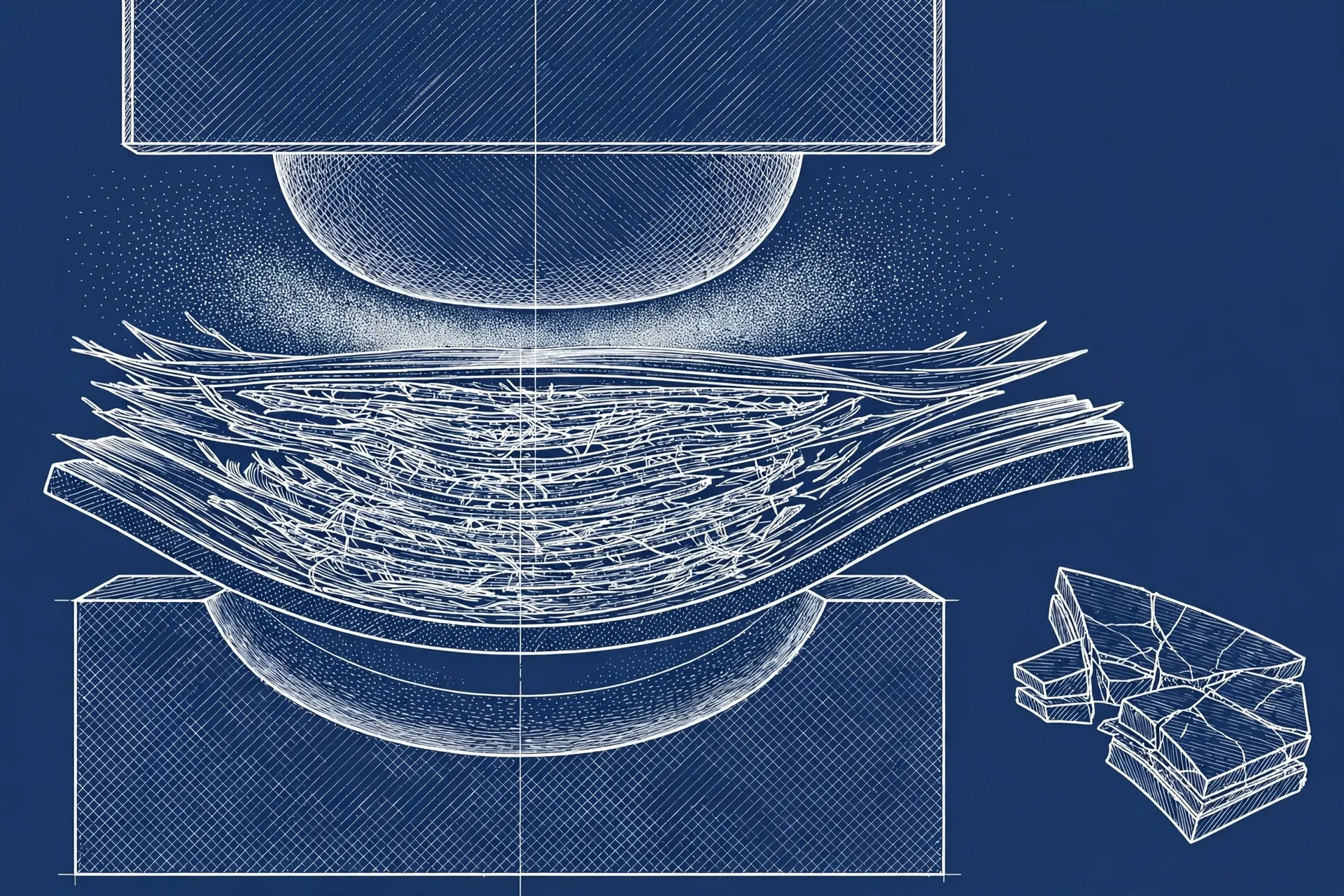
Mold is the quiet killer. Areca is a natural product that fungi love in humid storage and transit; exporters budget anti-fungal packing, silica gel and moisture control as routine, not optional. [17] Second-quality plates are not a rounding error: the grade gap is 30 to 40 percent of price, so your sorting table decides your realization as much as your press does. [13] Machine capacity claims are marketing. One seller's Rs 1.10 lakh two-die unit claims 4,000 plates a day while a Rs 2 lakh five-die unit claims 1,800 to 2,000 per shift. Plan on 1,500 to 2,000 and verify with a live demo before you pay. [3][5][6] If your buyers take 45 to 60 days to pay, each month of receivables locks up another Rs 2.3 lakh of your cash; confirm payment terms before you promise dispatch.
The paperwork is lighter than the machine brochures suggest. Udyam registration is free. [27] A dry leaf-pressing unit with no boiler sits in the White pollution category in most states. That means an intimation to the state board, not a Consent to Operate. [31] No BIS standard exists for areca plates. [38] Whether you need an FSSAI licence is genuinely unclear, since you make food-contact material rather than food, so verify with your state food safety commissioner before paying an agent. [32] One tripwire to know: shipping across state lines needs GST registration from day one, regardless of turnover. [37]
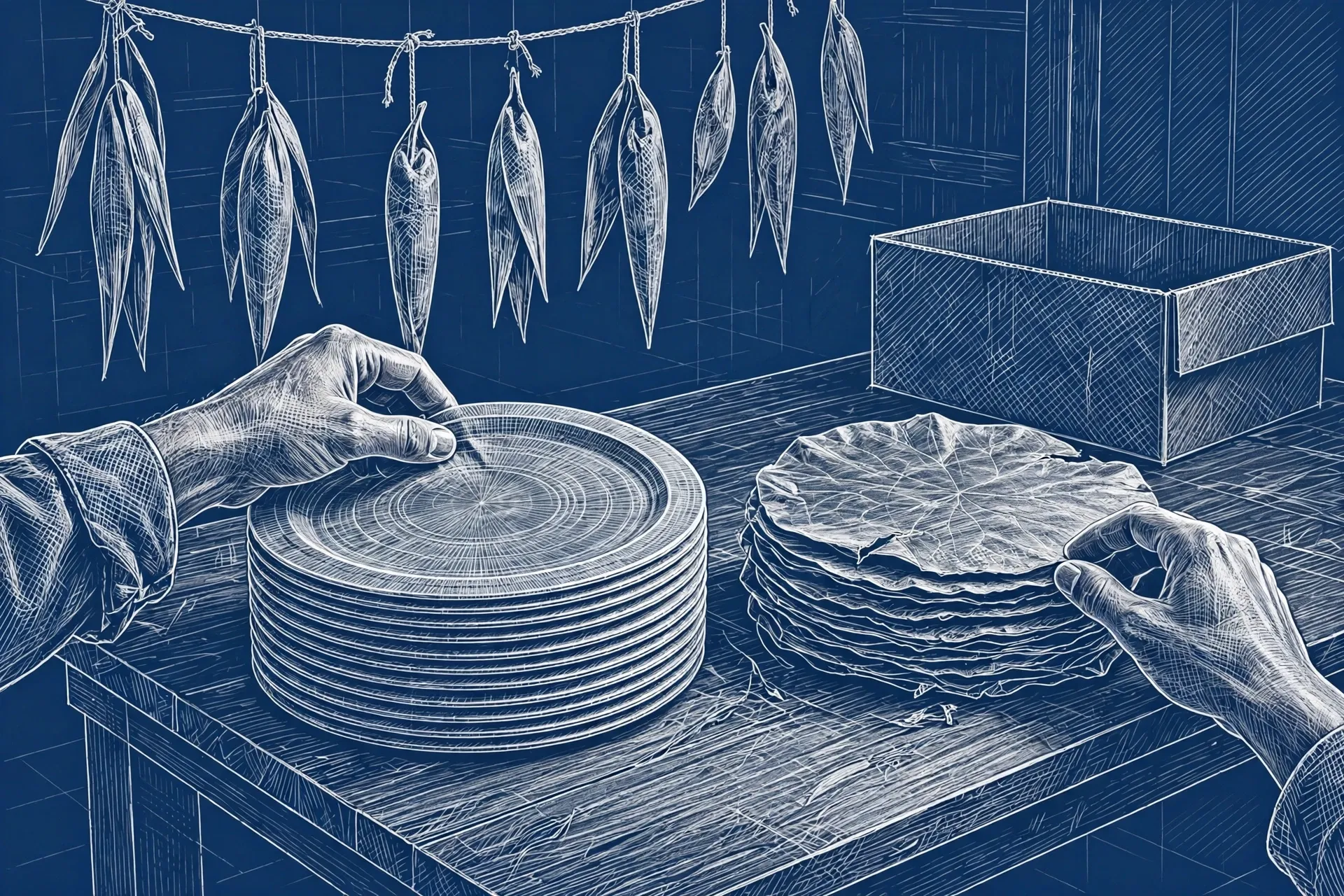
Adjacent products ride free on the same machine: 6-inch bowls (Rs 1.50 to 3.15 wholesale), compartment plates and trays just need different dies. [14] Buy sheaths in the flush months and press through the wedding season. [10][23]
Funding options and subsidy conditions
PMEGP is a credit-linked subsidy, not a grant, and the bank takes its own call on your project. [27] For this Rs 6.41 lakh manufacturing project, the current official math runs:
| Rural, general category | Rural, special category* | |
|---|---|---|
| Your contribution | Rs 64,100 (10%) | Rs 32,050 (5%) |
| Subsidy | Rs 1,60,250 (25%) | Rs 2,24,350 (35%) |
| Bank loan | Rs 4,16,650 | Rs 3,84,600 |
*Special: SC/ST/OBC, minorities, women, ex-servicemen, physically handicapped, northeastern, hill and border areas, aspirational districts. Urban slabs are lower: 15% general, 25% special. Maximum project cost for manufacturing is Rs 50 lakh. [27][28]
A key cash-flow constraint: the subsidy is locked in a term deposit for 3 years and only then adjusted against your loan, so you service the full loan for three years while the subsidy sits frozen. [33] EDP training is mandatory before the first instalment is released. [33] Loans up to Rs 10 lakh need no collateral by RBI rule, which covers this project. [30] And the awkward timing: the 2021-26 cycle's Rs 13,554.42 crore outlay is fully utilized, 4,03,706 enterprises assisted, and the extension to 2030-31 is still only a proposal under consideration, not an approval. [29][34] Check with your district KVIC, KVIB or DIC office that fresh sanctions are actually open before you build plans around the subsidy.
A competitive implication: the same subsidy that cuts your entry cost funds your competitors too. Every subsidized unit near the belt adds to the price war described above.
How we researched this
38 sources, all checked in October 2026: current machinery listings (IndiaMART, TradeIndia, Aajjo), raw-sheath and plate price listings, market reports from 2025-2026 vintages, official PMEGP and PIB documents, CPCB and FSSAI regulations. The P&L is our own model built from listing prices, with assumptions stated and profit labeled as estimates. No government project profile was used at any stage. The most uncertain inputs are identified in the research report: sheath wastage rates, actual paid wages, and the global market-size base.
Sources
[1] Allied Disposable Solutions, Guwahati (IndiaMART): single-die Rs 95,000, double-die Rs 1,20,000. source (Oct 2026)
[2] Shri Sairam Engineering, Coimbatore (TradeIndia): single-die Rs 1,10,000 ex-GST. source (Oct 2026)
[3] SSE, Coimbatore (IndiaMART): 5-die Rs 2,00,000, claimed 1,800-2,000 plates per 8-hour shift. source (Oct 2026)
[4] S. S. Engineering Works, Coimbatore (TradeIndia): Rs 1,95,000 ex-GST; 18% GST stated. source (Oct 2026)
[5] Cheran Engineering, Coimbatore (IndiaMART): 2-die Rs 1,10,000, claimed 4,000/day. source (Oct 2026)
[6] Tamul Plates, Barpeta, Assam (IndiaMART): hydraulic Rs 2,52,000 ex-tax, claimed 700/day. source (Oct 2026)
[7] Farmer In Mumbai: How to start an areca leaf plate business in India, 2026 guide (setup budgets: fixed Rs 3-5 lakh, working capital Rs 1.5-2.5 lakh; wash/soak process). source (Oct 2026)
[8] TradeIndia listing: natural areca dry leaf Rs 2.80/piece, Bengaluru (snippet-sourced). source (Oct 2026)
[9] ExportersIndia areca leaf suppliers: Rs 1.45-4.44 Shimoga, Rs 3.50 Assam, Rs 2.75 Chennai. source (Oct 2026)
[10] Papla success story, Kasaragod, Kerala: sheaths available ~6 months/year, storage needed. source (Oct 2026)
[11] Areca leaf plate business model report (Scribd): raw material demand and cost peak in the rainy season (secondary source). source (Oct 2026)
[12] IndiaMART 10-inch areca plate listings: Rs 4.20 Bengaluru, Rs 5.00-5.50 Secunderabad/Pondicherry/Coimbatore, Rs 7.00 designer finish Bengaluru, Rs 9.50 wholesale Chennai. source and related listings (Oct 2026)
[13] Kalyani Materials, Chennai: first vs second quality price gap 30-40%. source (Oct 2026)
[14] IndiaMART bowl listings: 6-inch bowls Rs 1.50-3.15. source and related (Oct 2026)
[15] Amazon.in: "Just a leaf" 10-inch, pack of 50 at Rs 909 (Rs 18.18/piece, snippet-sourced). source (Oct 2026)
[16] ExportHub/Accio listings: bulk FOB USD 0.10-0.20/piece (snippet-sourced). source (Oct 2026)
[17] SGE Export guide, Dec 2025: sourcing Rs 3-5, FOB USD 0.15-0.25, US retail ~USD 1, mold risk, EN 13432/FDA requirements. source (Oct 2026)
[18] MRFR press release, Aug 2026: global areca plates market USD 1.27B in 2025, ~USD 2.08B by 2035, ~5.0% CAGR. source (Oct 2026)
[19] MRFR press release, Feb 2025: same market USD 0.91B in 2025, 4.83% CAGR. source (Oct 2026)
[20] Toxics Link field study via India Today, Apr 2026: banned SUP items present at 84% of 560 surveyed locations. source (Oct 2026)
[21] PmarketResearch: CHUK supplied MahaKumbh Mela Jan 2025; compostable tableware USD 2.85B in 2025. source (Oct 2026)
[22] Dataintelo: APAC 36.2% of global disposable tableware revenue 2025; India fastest-growing at ~9.2% CAGR. source (Oct 2026)
[23] TradeIndia listings: paper Rs 1-1.50, bagasse Rs 2-4, plastic Rs 1.80-4 per piece; party/event/wedding named as applications. source (Oct 2026)
[24] Karnataka minimum wage revision, May 2026: unskilled Rs 19,300/month Zone 3. source (Oct 2026)
[25] Aajjo machine listings: 3-5 units (kWh) per hour power consumption. source (Oct 2026)
[26] TradeIndia: 5-ply corrugated box Rs 8-9.50 at bulk MOQs. source (Oct 2026)
[27] Delhi KVIB PMEGP guidelines: subsidy slabs, Udyam, Rs 50L manufacturing cap. source (Oct 2026)
[28] PIB, Ministry of MSME, 02 Dec 2024: PMEGP outlay Rs 13,554.42 crore for 2021-26. source (Oct 2026)
[29] PIB, Ministry of MSME, 07 May 2026: outlay fully utilized, 4,03,706 enterprises assisted. source (Oct 2026)
[30] Lok Sabha Q&A, Minister of State for MSME: no collateral for loans up to Rs 10 lakh. source (Oct 2026)
[31] HP PCB white-category list; CPCB categorization document: dry paper/board products without boilers are White category. source (Oct 2026)
[32] FSS (Packaging) Regulations 2018 compendium: food-grade requirement for food-contact material. source (Oct 2026)
[33] PMEGP revised scheme guidelines (reproduction): 3-year TDR lock-in, EDP training mandatory, 30-day sanction rule. source (Oct 2026)
[34] AdvisorsIndia, Oct 2026: PMEGP extension to 2030-31 under consideration, not approved (news report). source (Oct 2026)
[35] Volza shipment data Jul 2024-Jun 2025: USA dominant importer of areca plates. source (Oct 2026)
[36] Justdial: dozens of small areca plate manufacturers in Coimbatore. source (Oct 2026)
[37] GST registration rules: inter-state supply of goods needs registration regardless of turnover (snippet-sourced). source (Oct 2026)
[38] Plastic Waste Management Rules text (reproduction): no BIS standard found for areca leaf plates; IS/ISO 17088:2021 covers compostable plastics only (snippet-sourced). source (Oct 2026)